
Table of Contents
Key Takeaways
Plasma donation supports the production of life-saving therapies used to treat conditions such as hemophilia, immune deficiencies, and certain other serious medical conditions.
Donating plasma can strengthen the healthcare system by helping maintain a reliable supply of plasma-derived therapies for patients who depend on them.
Plasma donation can provide financial compensation, giving eligible donors an opportunity to earn additional income while contributing to an important medical need.
Regular donation may encourage donors to become more mindful of hydration, nutrition, and general wellness as they prepare for appointments.
Plasma donation creates opportunities for people to contribute to their communities and develop a meaningful sense of purpose.
The donation process is structured around health screening, preparation, collection, and post-donation care to help protect donor safety.
Becoming a consistent donor can create a lasting impact by supporting patients who require plasma-derived treatments on an ongoing basis.
Plasma Donation Supports Life-Saving Medical Treatments
One of the most important benefits of plasma donation is its contribution to medical treatments. Plasma contains proteins, antibodies, and other components that can be processed into therapies used to help people with serious health conditions.
Patients with conditions such as immune deficiencies and certain bleeding disorders may rely on plasma-derived medicines as part of their treatment. Because these therapies require human plasma donations, maintaining an adequate supply depends on people who are willing and eligible to donate.
This makes every donation meaningful. While donors may not personally meet the people who benefit from their plasma, their contribution becomes part of a larger healthcare system that supports patients around the world.
Helping Patients Who Depend on Plasma-Derived Therapies
Plasma-derived therapies can play an important role in managing chronic and potentially life-threatening conditions. Regular donations help collection centers maintain supplies that can eventually be processed into these treatments.
For eligible individuals, donating plasma provides a practical way to contribute to patient care. The impact extends beyond the donation center because collected plasma can become part of therapies used by people facing significant medical challenges.
Plasma Donation Helps Strengthen Community Health
Another major benefit of plasma donation is its impact on the broader healthcare community. A dependable plasma supply helps support the availability of treatments that patients may need consistently.
Communities benefit when more eligible individuals participate in donation programs. Consistent donations can help collection centers maintain their supply and respond to ongoing demand.
Connecting Donors With Patients in Need
Many people donate without knowing exactly who will eventually benefit from their contribution. Nevertheless, the connection between donor and patient is significant.
For example, someone researching plasma donation california can find donation opportunities that allow them to contribute locally while supporting patients who depend on plasma-derived therapies.
This connection can also encourage greater community participation. When people understand how their donations contribute to healthcare, they may become more motivated to donate regularly and encourage others to participate.
Plasma Donation Can Provide Financial Compensation
Plasma donation can also provide a financial benefit for eligible donors. Many commercial plasma collection centers compensate donors for their time and participation.
The exact amount varies depending on the donation center, location, promotions, and other factors. Therefore, potential donors should check directly with their local center to understand current compensation policies.
Earning Extra Income While Helping Others
For some donors, compensation can make regular plasma donation an attractive way to earn additional money. At the same time, donors are contributing to the supply of plasma used in medical therapies.
This combination of financial compensation and community contribution can motivate eligible individuals to establish a consistent donation routine.
However, compensation should not be the only consideration. Donors should also understand eligibility requirements, health screening procedures, and the responsibilities involved in donating safely.
Plasma Donation Encourages Healthy Preparation Habits
Although plasma donation should not be viewed as a treatment for improving health, the process can encourage donors to pay closer attention to healthy habits.
Before donating, individuals are generally encouraged to follow the collection center’s instructions, including staying adequately hydrated and eating an appropriate meal. Donors may also be advised to get sufficient rest and avoid arriving for an appointment while feeling unwell.
Hydration and Nutrition Matter
Adequate hydration can make the donation process more comfortable and may help with blood collection. Eating a nutritious meal beforehand can also help donors maintain their energy.
After donating, following the center’s recommendations for fluids, food, and physical activity can support a comfortable recovery.
These habits can become part of a donor’s regular routine. However, individual requirements differ, so donors should always follow guidance from qualified medical staff at the donation center.
Plasma Donation Creates a Sense of Purpose
Helping other people can provide a meaningful sense of purpose. Plasma donation gives eligible individuals a direct way to contribute to medical care, even if they never personally meet the patients who benefit.
The knowledge that a donation can become part of life-changing medical treatment can make the experience personally rewarding.
Turning a Simple Donation Into Community Contribution
Regular donors may develop a stronger connection to their communities as they continue participating. Some people also encourage friends and family members to learn more about donation.
This creates a positive cycle in which one donor’s experience can inspire another person to participate. Over time, these individual contributions can collectively help maintain a dependable plasma supply.
The impact is therefore larger than a single appointment. It represents a continuing commitment to helping people who depend on plasma-derived therapies.
The Donation Process Provides a Structured and Supportive Experience
For first-time donors, the idea of donating plasma can seem intimidating. In reality, the process typically follows a structured series of steps designed to evaluate eligibility, collect plasma, and monitor donor well-being.
Understanding the process beforehand can make the experience more comfortable.
What New Plasma Donors Can Expect
A typical donation appointment may include:
- Registration: The donor provides the required personal information.
- Health screening: Staff review medical history and perform required checks.
- Preparation: The donor is prepared for the collection procedure.
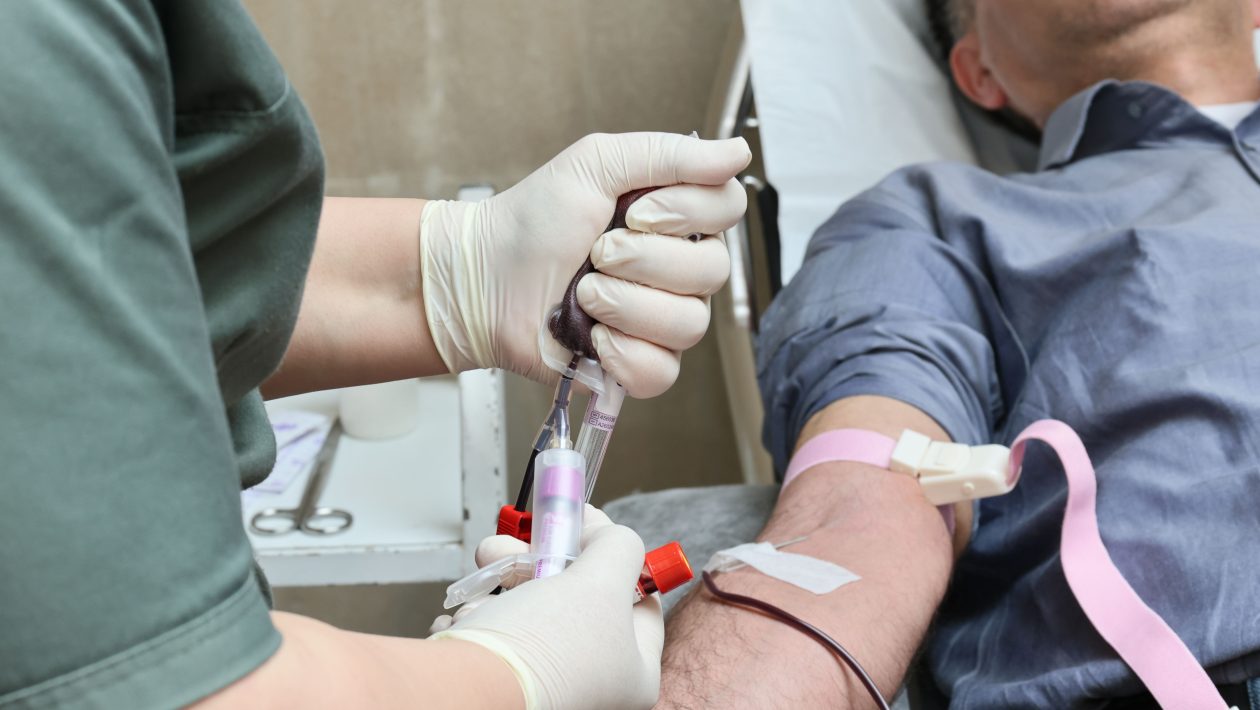
- Plasma collection: Blood is drawn and plasma is separated from the other blood components.
- Recovery: Donors receive post-donation guidance before leaving.
The exact process and appointment duration vary between facilities. Staff members are available to explain each step and answer questions throughout the visit.
Preparing for a First Donation
New donors should check their chosen center’s requirements before arriving. Staying hydrated, eating appropriately, wearing comfortable clothing, and getting enough rest can help create a smoother experience.
Most importantly, donors should answer health-screening questions honestly. These screenings exist to protect both the donor and the quality of the collected plasma.
Regular Plasma Donation Can Create a Long-Term Impact
Perhaps the greatest benefit of plasma donation is the opportunity to make an ongoing contribution. Patients who rely on plasma-derived therapies may need access to these treatments over extended periods.
A single donation can make a difference, but consistent participation can help support a more dependable supply over time.
Building a Long-Term Donation Routine
Eligible donors who want to continue donating should follow their collection center’s recommended schedule. Donation frequency depends on applicable rules, individual eligibility, and the center’s policies.
Maintaining a regular routine also allows donors to become familiar with the process. Over time, appointments may feel less intimidating, and donors can better understand how to prepare and recover.
Most importantly, regular participation reinforces the connection between individual action and community health.
How to Get Started With Plasma Donation
For people interested in experiencing these benefits, the first step is to locate a reputable plasma donation center and review its eligibility requirements.
Simple Steps for New Donors
Before scheduling an appointment:
- Research reputable plasma donation centers in your area.
- Review the center’s age, weight, health, and identification requirements.
- Confirm the current compensation policy, if applicable.
- Drink enough fluids and eat an appropriate meal before donating.
- Bring the required identification and documentation.
- Follow all instructions provided by the medical staff.
Taking time to prepare can make the first appointment more straightforward and comfortable.
Why Plasma Donation Can Make a Difference
Plasma donation provides benefits that extend beyond the donor. It supports medical treatments, contributes to community health, and gives eligible individuals an opportunity to make a meaningful contribution.
Financial compensation may provide an additional incentive, while the structured donation process helps donors understand what to expect. Most importantly, consistent donations can contribute to the supply of plasma required to produce therapies for patients with serious medical needs.
For eligible individuals, donating plasma can therefore be a simple action with a much larger impact. One appointment represents more than giving plasma—it can become part of a healthcare system that helps people receive treatments they depend on.
FAQ
What is plasma donation?
Plasma donation is a process in which blood is collected and separated so that the plasma portion can be retained. The remaining blood components are generally returned to the donor through a process called plasmapheresis.
What are the main benefits of donating plasma?
The main benefits include supporting life-saving medical therapies, contributing to community health, potentially receiving financial compensation, and creating a meaningful way to help patients who depend on plasma-derived treatments.
Who can donate plasma?
Eligibility requirements vary by donation center and location. Factors can include age, weight, overall health, medical history, and other screening criteria. Potential donors should contact their chosen center for its current requirements.
How should I prepare for plasma donation?
Donors should follow their center’s preparation instructions. Common recommendations include staying hydrated, eating an appropriate meal, getting adequate rest, and bringing the required identification.
How long does plasma donation take?
The total appointment time varies depending on the facility and the individual donor. Registration, screening, collection, and recovery all contribute to the overall duration, so first-time donors should allow sufficient time for the complete appointment.
Is plasma donation safe?
Plasma donation is performed under established procedures with health screening and monitoring designed to protect donors. Potential donors should disclose relevant health information and follow the instructions provided by qualified staff.
Can plasma donors receive compensation?
Many commercial plasma donation centers offer compensation to eligible donors. Amounts and policies vary by location, center, promotions, and donor circumstances, so individuals should verify current details directly with the facility.
How often can someone donate plasma?
Donation frequency depends on applicable regulations, the donation center’s policies, and the donor’s eligibility. Individuals should follow the schedule recommended by their collection center rather than assuming that the same frequency applies everywhere.
Why is regular plasma donation important?
Regular donations can help maintain a dependable supply of plasma for producing therapies. Since some patients rely on plasma-derived treatments over long periods, consistent participation from eligible donors can contribute to the continuity of that supply.
Useful Resources
- American Red Cross- Discover information about blood and plasma donation, eligibility criteria, and its impact on the community.
- Plasma Donation Centers- Locate local plasma donation sites and access resources regarding the donation process.
- American Association of Blood Banks (AABB)- Explore resources on blood banking and donor information.
- Healthline- Read educational articles discussing the benefits of blood and plasma donation.
- Centers for Disease Control and Prevention (CDC)- Access materials about the importance of blood and plasma donation in promoting public health.
- Mayo Clinic- Find expert articles about the health benefits of blood donation and what to expect during the process.
- National Heart, Lung, and Blood Institute- Gain insights into blood donation and its effects on health.
- World Health Organization (WHO)- View a global perspective on blood donation and its relevance in healthcare systems.